Miami's Ambitious Bet on Retail Renaissance
New York, Los Angeles — and now Miami.
The data is no longer ambiguous. South Florida has claimed its position among the elite tier of North American retail markets, and the structural forces driving that ascent are durable, not cyclical. The more interesting question for developers and owners is whether the physical environment can keep pace with the ambition.
For most of the 20th century, Miami was a seasonal market — a city that borrowed its energy from elsewhere and returned it in the summer. That characterization is now obsolete. The migration of permanent high-net-worth residents, the consolidation of Latin American and European capital in Brickell and Coconut Grove, and the emergence of a year-round luxury tourism ecosystem have fundamentally rewritten Miami's retail demand profile. What was once a market that global brands entered cautiously is now a market they cannot afford to miss.
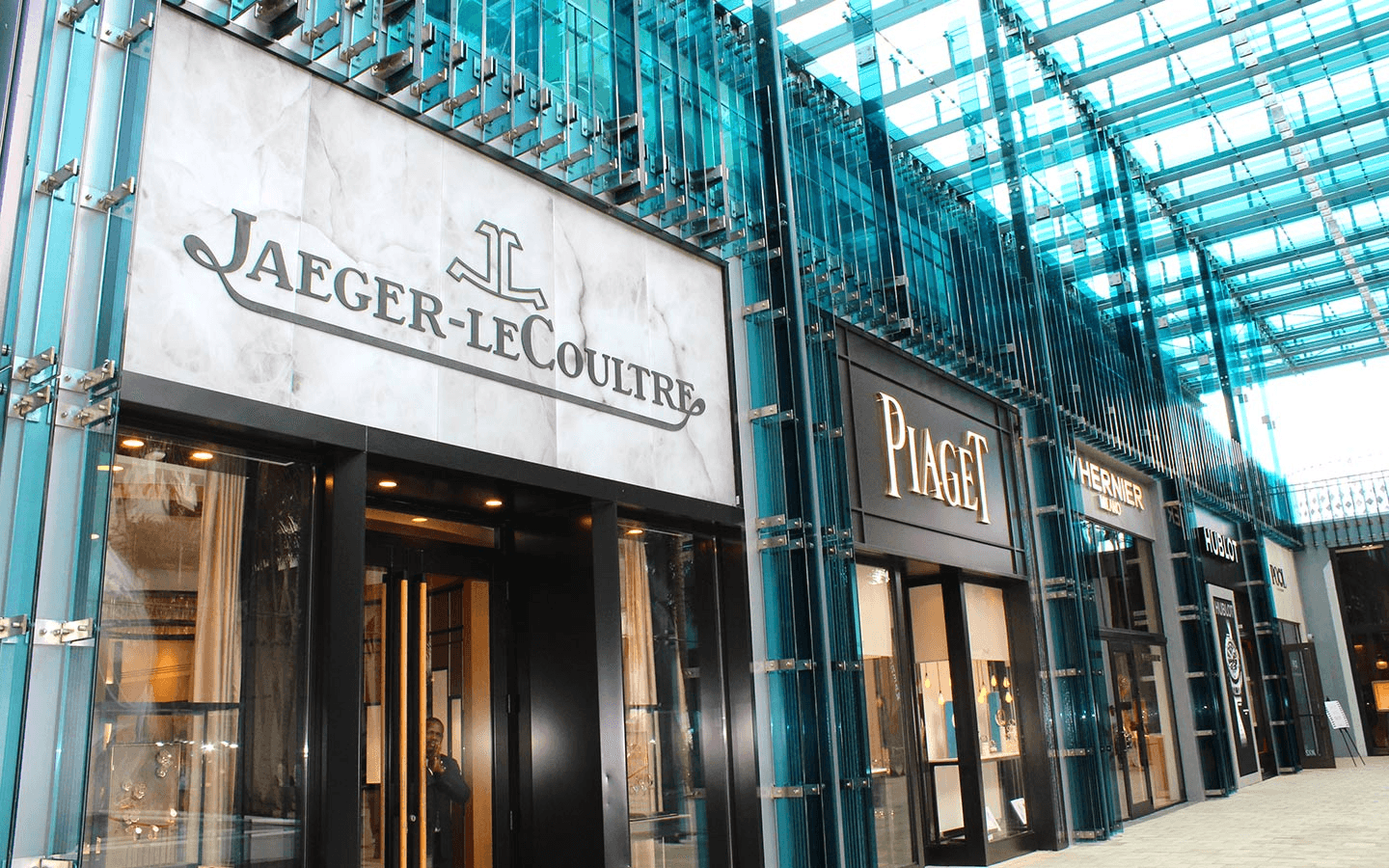
According to recent market research tracking prime urban retail corridors across North America, Miami — specifically Brickell and Coconut Grove — has displaced Washington D.C. as the third most active luxury retail expansion market in the United States, trailing only New York and Los Angeles. That displacement did not happen by accident. It happened because the consumer base that makes luxury retail viable — permanent, affluent, internationally mobile — has materially shifted southward. And unlike speculative demand cycles of the past, this one is anchored in residential permanence, not seasonal visitation.
The demand side of this story is well understood. The supply side is where it gets interesting — and where most retail development teams underestimate what South Florida actually requires. Prime corridor vacancy is approaching historic lows. Asking rents rose an average of 10 percent last year alone. The retailers and landlords competing for space are increasingly buying rather than leasing — a signal that they expect supply scarcity to persist.
Structural Assessments Drive Closing Schedule.
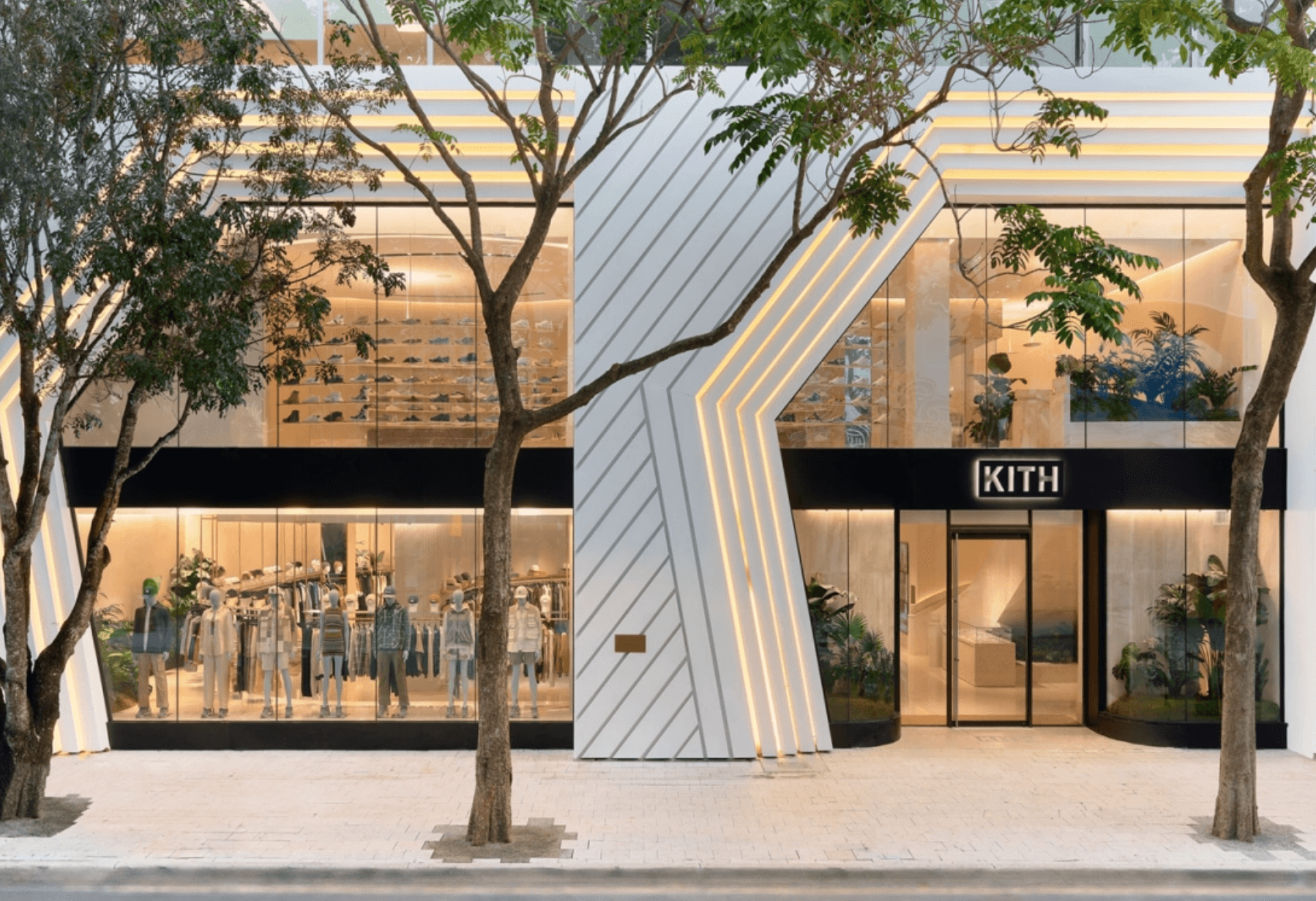
The engineering complexity behind these projects is real and routinely underestimated. Luxury flagship builds in the Design District demand structural systems built to precision tolerances that standard commercial construction rarely achieves. Adaptive reuse projects in Coconut Grove and Wynwood carry legacy structural conditions — aging slabs, pre-Andrew wind resistance, undersized MEP shafts — that only surface once a term sheet is signed if nobody looked earlier. F&B anchors driving foot traffic to Lincoln Road and Brickell impose live loads and exhaust routing requirements that were not in the original building design.
The projects that deliver on schedule in this market share one discipline: they do the engineering work before the deal closes, not after.
ASOM's Advantage
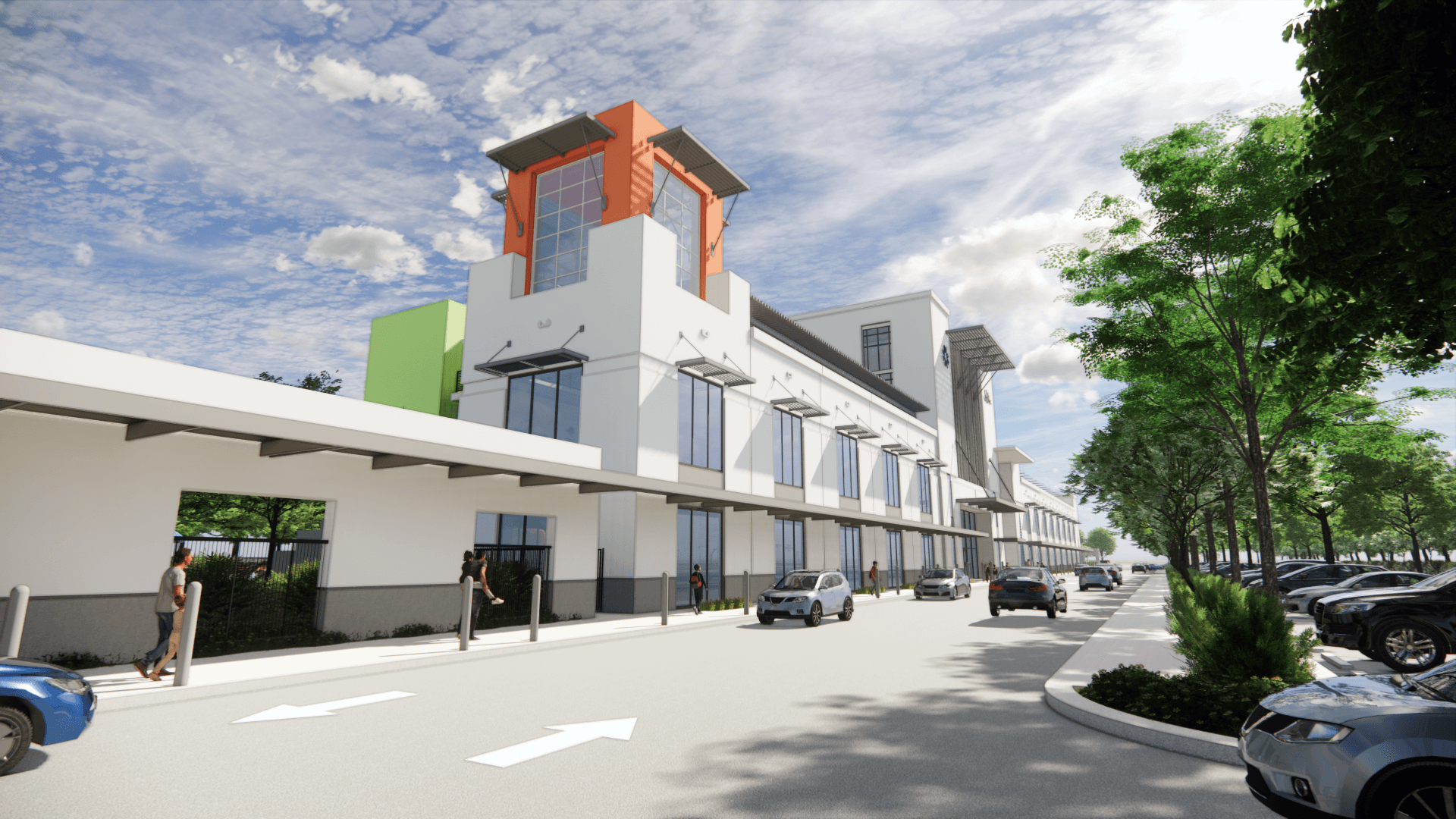
We work across every retail typology active in South Florida — ground-up mixed-use, adaptive reuse repositioning, and large-format suburban retail. Our value is local: we know the ground conditions, the permitting authorities, and the construction sequencing required to deliver retail in this market without embedding its complexity into your schedule as risk.