The Most Compelling Industrial Real Estate Play in the Southeast
The "Smart Money" Play for Miami Industrial Real Estate
A Broward County industrial complex just traded at 19% above its last sale price. That is not a headline from 2021's frenzied capital markets — it is a transaction from March 2026, in a rate environment that has compressed deal volume across most commercial asset classes. The fact that institutional buyers are still paying that premium, in this environment, says something precise about how sophisticated capital views South Florida industrial: not as a trade, but as a long-duration hold in a market where supply constraints are structural and demand drivers are compounding.
The thesis is straightforward, and it rests on three conditions that do not exist simultaneously in any other major Southeast market. First, Miami-Dade and Broward have among the lowest industrial vacancy rates in the country — consistently sub-4% in the Doral, Medley, and Hialeah corridors that form the core of South Florida's logistics infrastructure. Second, the pipeline of new deliveries is constrained not by developer appetite but by land: there is simply very little remaining developable industrial land within practical proximity to PortMiami, Miami International Airport, and the primary population centers that last-mile logistics serve. Third, the demand base is broadening. E-commerce logistics was the first wave. Cold storage for South Florida's food distribution network followed. Life sciences cold-chain and last-mile pharmaceutical distribution are now emerging as a third demand layer. And data center demand — which shares many site requirements with heavy industrial — is competing for the same scarce land.
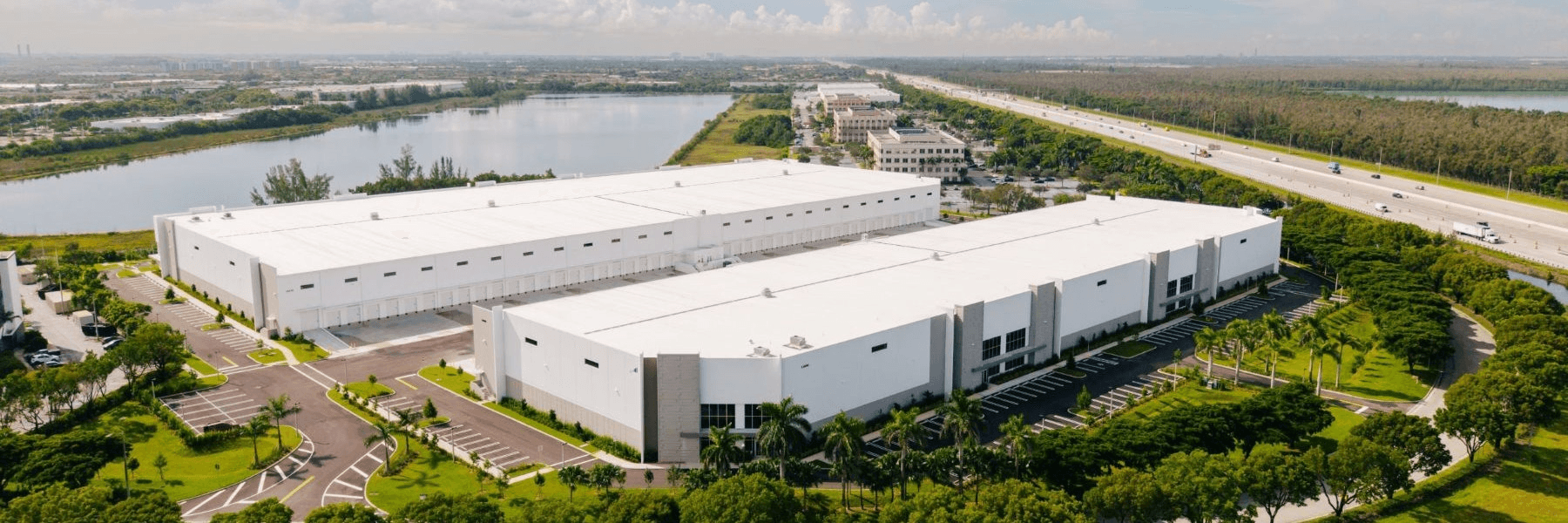
For private equity and developers evaluating entry points, the land constraint cuts two ways. It limits new supply — which protects existing asset values and supports rent growth — but it also makes ground-up development increasingly difficult to pencil without either paying up for infill redevelopment sites or moving west into Hialeah Gardens, Miami Lakes, and the emerging corridors along the Turnpike extension toward Homestead. Both paths require a sophisticated civil engineering capability that understands South Florida's site conditions: the drainage infrastructure constraints in western Miami-Dade, the SFWMD permitting environment for sites near conservation areas, and the utility extension requirements that are frequently the hidden schedule driver on industrial projects that look straightforward on paper.
The Value-Add Play
Infill Redevelopment in Core Corridors
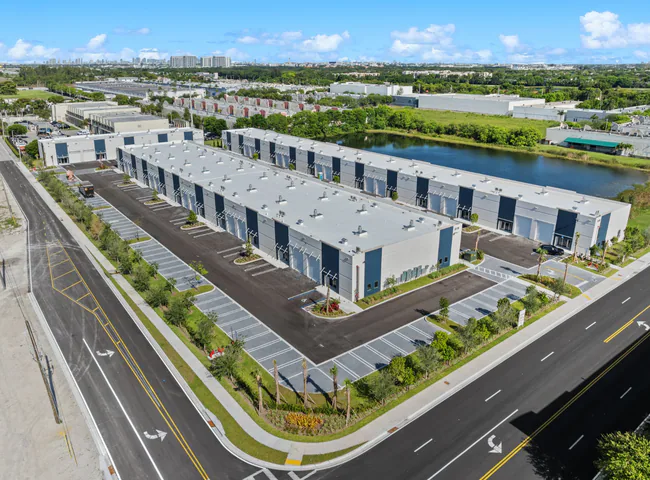
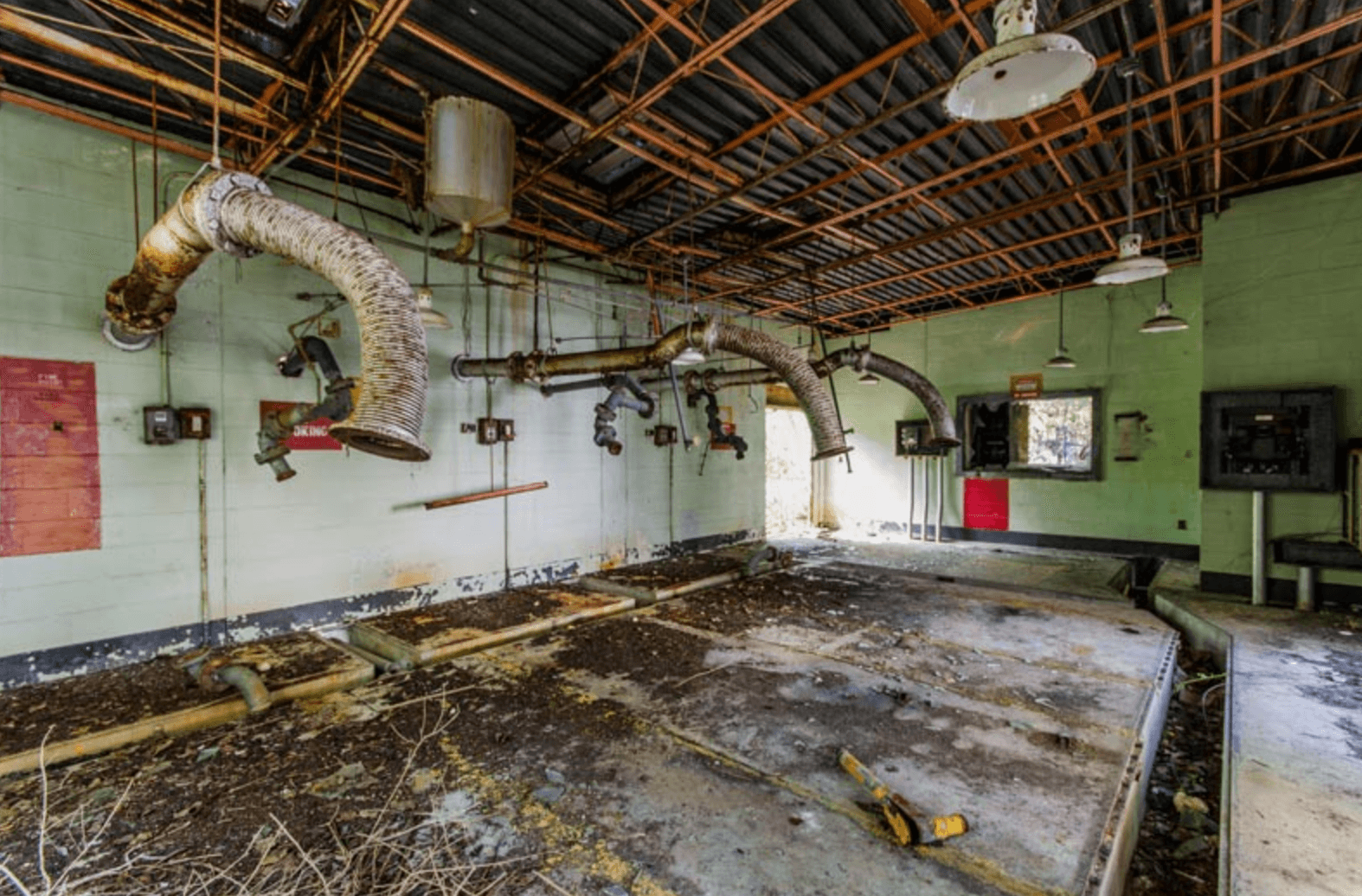
Older 1980s and 1990s vintage product in Doral and Medley — lower clear heights, inadequate truck courts, aging electrical infrastructure — is increasingly obsolete against modern tenant specifications. Repositioning these assets to 32-foot clear, ESFR-sprinklered, heavy-power product is a capital-intensive but proven value creation thesis in a submarket where replacement cost is rising and tenants will pay for functional product. The civil scope on these projects — demolition coordination, underground utility upgrades, new stormwater systems, truck court and dock redesign — is where schedule and budget risk concentrates.
The Development Play
Greenfield Sites in Western Growth Corridors
The last large-tract industrial land in South Florida sits in western Miami-Dade and the northern Homestead corridor — further from the airport and port, but increasingly viable as tenant demand expands and the cost premium for core locations pushes occupiers outward. Developing here requires navigating SFWMD environmental resource permitting, designing stormwater systems for low-lying sites with high water tables, and coordinating infrastructure extensions that are often not as available as county land maps suggest. First movers in these corridors are establishing cost bases that later buyers will not replicate.
The broader macro tailwind for South Florida industrial is not subtle. PortMiami is the fastest-growing container port on the East Coast, and the expansion of post-Panamax crane capacity has permanently shifted trade routes that historically bypassed South Florida in favor of East Coast terminals further north. Miami International Airport handles more international cargo than any other Florida airport and is investing in capacity expansion. The consumer population — now approaching 3 million in Miami-Dade alone, with Broward and Palm Beach adding another 3 million — is growing faster than the logistics infrastructure designed to serve it. Every one of those structural conditions is a long-duration tailwind for industrial demand, and none of them is reversible on any investment horizon that institutional capital cares about.
ASOM's Advantage
The Civil Engineering Partner for South Florida's Industrial Development Cycle
ASOM provides end-to-end civil engineering for industrial development and redevelopment projects across Miami-Dade and Broward — from site assessment and survey through grading, drainage, utility design, SFWMD and county permitting, and construction administration. We know the western Miami-Dade land conditions, the permitting authorities, and the infrastructure sequencing that industrial projects in this market require. Our clients are developers and capital partners who need a civil partner that moves at the pace of their investment timeline — not one that discovers South Florida's complexity after the land closes.