Who Will Build the Billionaire's Cul-de-sac?
Expanding Miami's Billionaire Row
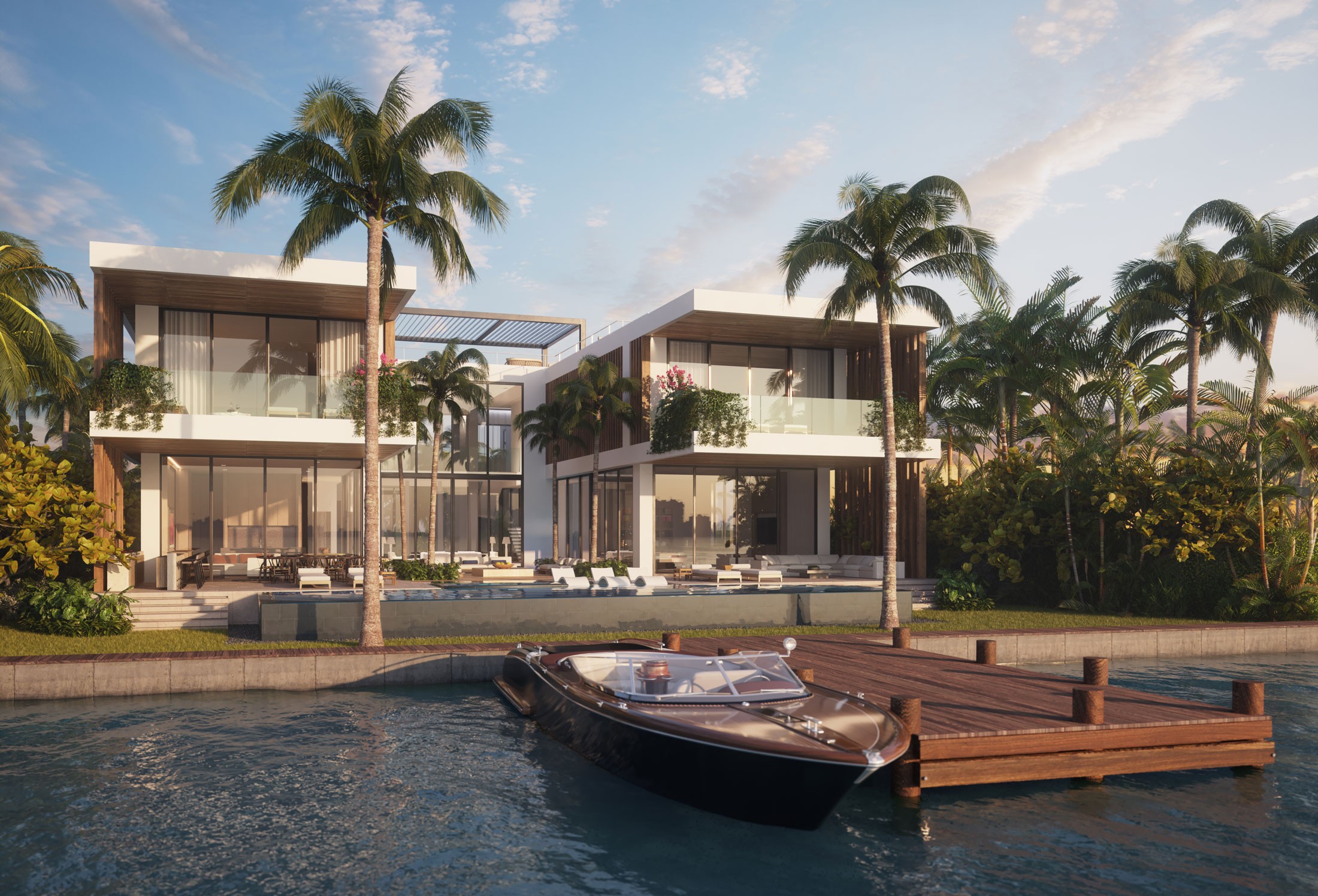
This year, Meta CEO Mark Zuckerberg and Priscilla Chan closed on a $170 million estate on Indian Creek Island — setting a Miami-Dade County record and cementing what has become an unmistakable pattern. The world's ultra-wealthy are not choosing Miami as a vacation market or a tax convenience. They are choosing it as a permanent address. Ken Griffin anchored in Coconut Grove. Jeff Bezos on Indian Creek. Hedge fund founders and private equity principals trading Greenwich and Palo Alto for waterfront estates on islands with private security forces and single-digit home counts. The migration is real, it is accelerating, and it is generating a category of residential construction that Miami has never seen at this scale or this concentration.
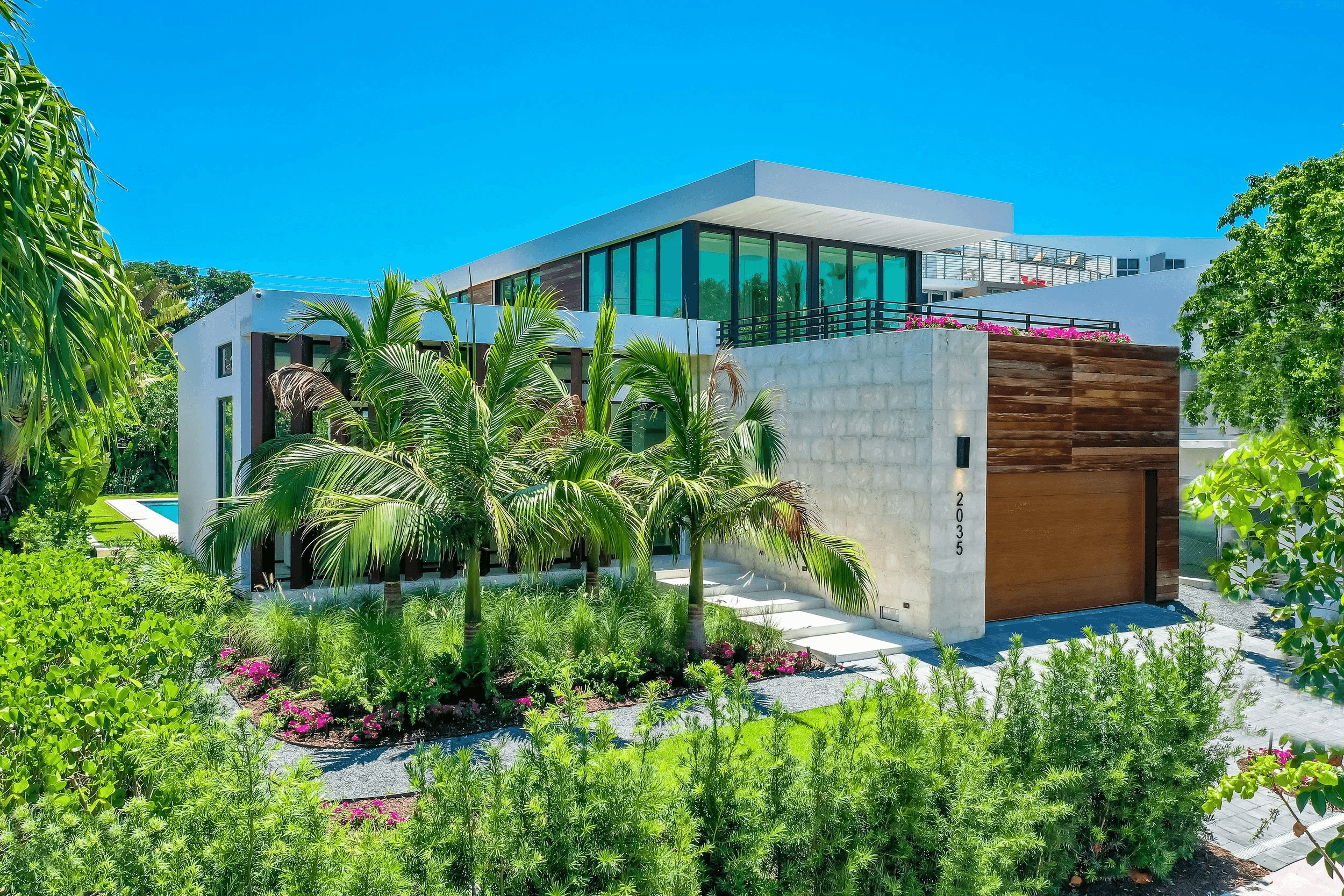
The defining behavior of this buyer class is the teardown. They do not renovate. They acquire the land — and whatever structure happens to sit on it — at prices that would have been considered impossible five years ago, demolish it, and commission a ground-up build that reflects a program of requirements no existing home could satisfy. Nine bedrooms. Eleven bathrooms. A 1,500-gallon aquarium. A hair salon, a massage room, a gym, a library with a hidden passage. Hardened below-grade structures — whether described publicly as bunkers or basements — engineered to specifications drawn from a security threat model rather than a building code minimum. These are not luxury homes in the conventional sense. They are bespoke private compounds, and they require an engineering delivery chain that matches their ambition.
The Design Behind These Private Compounds
The civil and structural engineering complexity behind these projects is significant and routinely underestimated by teams without direct experience in this tier. Waterfront estate construction on Biscayne Bay's barrier islands means working within the coastal construction setback zone, coordinating with the Army Corps of Engineers on any work that touches the mean high water line, and designing seawall and dock structures to withstand both the HVHZ wind regime and the long-term tidal conditions that sea level rise projections are already shifting. Below-grade construction — whether for a wine cellar, a home theater, a mechanical plant, or a hardened refuge — requires dewatering systems designed around a water table that may be three to five feet below grade, and foundation systems engineered for the specific karst limestone conditions beneath each individual site. Custom pool structures at this scale are often engineered elements in their own right, with hydraulic systems, structural requirements, and finish tolerances that bear no resemblance to residential pool design.
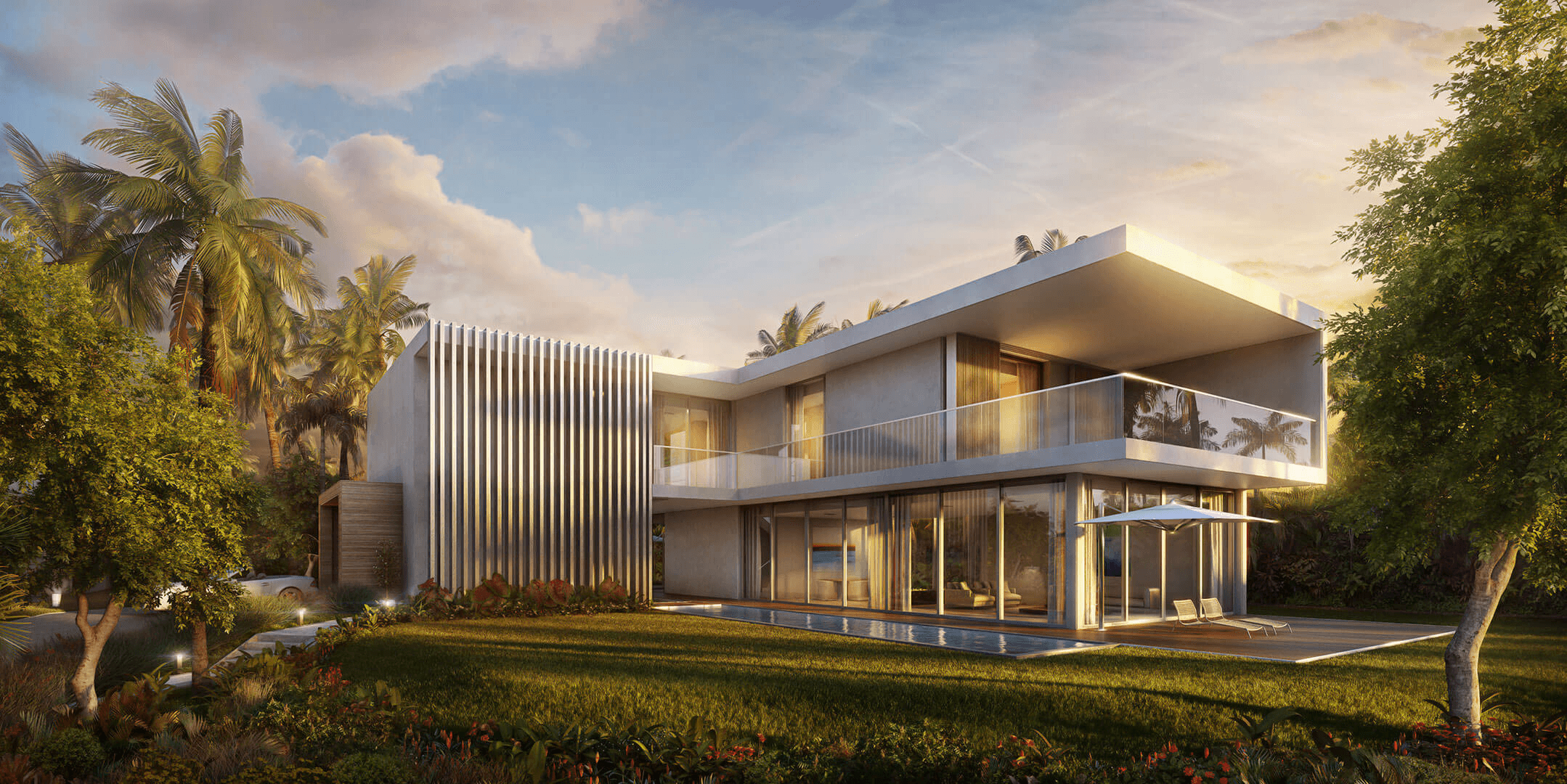
The architects and interior designers serving this client class are world-class. The civil and structural engineers beneath those projects need to be the same — because a scheduling failure, a permit delay, or a foundation condition discovered mid-construction does not just cost money at this level. It costs the confidence of a client whose time is the scarcest resource on the project.
ASOM's Advantage
The Engineering Foundation Beneath Miami's Most Consequential Builds
American Services of Miami provides civil and structural engineering services for ultra-luxury residential projects across Miami-Dade's most exclusive waterfront enclaves — from boundary and topographic survey through site planning, coastal structure coordination, foundation design, and construction administration. We work at the pace and precision these projects demand, and we understand that at this level, the engineering is never a commodity.